From civil rights pioneers to community changemakers, Black leaders have shaped the YMCA in Atlanta for over a century. Their stories continue to guide our mission and inspire the next generation.
National Firsts That Opened Doors
From 1853 to today, Black leaders have shaped the national YMCA movement through innovation, advocacy, and service.
- 1853, Anthony Bowen founded the first YMCA for Black men in Washington, D.C.
- 1888, William Hunton became the first Black YMCA secretary, expanding YMCAs and training leaders across the South
- 1954, Dr. Leo B. Marsh was named the first Black president of the Association of YMCA Secretaries
- 1969, Jesse Alexander led national efforts to ensure YMCAs reflected and served communities of color
- 1976, Violet P. Henry became the first woman in a top national leadership role at the YMCA of the USA
- 2015, Kevin Washington became the first African American CEO of YMCA of the USA
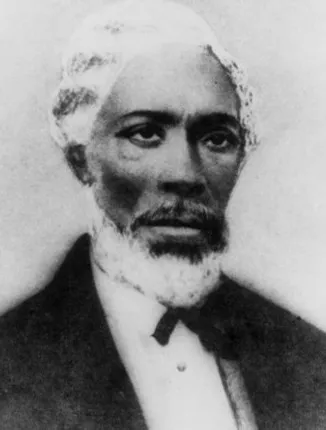
Anthony Bowen, a formerly enslaved man, founded the first YMCA for Black men in Washington, D.C. in 1853. William Hunton followed in 1888 as the first Black YMCA secretary, leading growth across the South and building a pipeline of Black leadership.
In 1954, Dr. Leo B. Marsh became the first Black president of the Association of YMCA Secretaries. He later expanded the Achievers program to Harlem, helping youth of color succeed in school and plan for leadership with adult mentors.
In 1969, Jesse Alexander helped organize the National Conference of Black and Non-White Laymen and Staff, ensuring that YMCA programs reflected the needs and culture of communities of color.
Violet P. Henry broke barriers in 1976 as the first woman appointed to a top national YMCA leadership role. She led efforts focused on equity for women and people of color across the movement.
In 2015, Kevin Washington became the first African American CEO of YMCA of the USA. He reimagined service delivery, led national advocacy for nonprofits during COVID-19, and helped position the YMCA as a more inclusive and youth-driven organization.
The Butler Street YMCA
- Founded in 1894 in the basement of Wheat Street Baptist Church
- Known as the “Black City Hall of Atlanta”
- Served as a central hub for Black civic, business, and political leadership for decades
- Influenced leaders like Dr. Martin Luther King Jr., Vernon Jordan, Maynard Jackson, and Ambassador Andrew Young
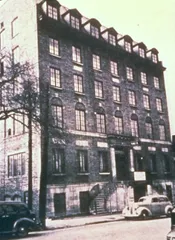
The Butler Street YMCA was founded in 1894 when a group of young men gathered in the basement of the historic Wheat Street Baptist Church to formally establish a YMCA association for Atlanta’s Black community. In 1920, the organization opened its iconic building on Butler Street, which housed 48 dormitory rooms, seven classrooms, an auditorium, gymnasium, swimming pool, café, and shower facilities.
At a time when Jim Crow laws restricted access to safe lodging and public amenities for African Americans, the Butler Street Y provided clean, secure accommodations for Black travelers, professionals, and community members. More than a building, it was a center of advancement and connection, a place where Black Atlantans could gather, organize, and lead.
Often referred to as the “Black City Hall of Atlanta,” the Y was a hub for civic progress. It was home to the city’s first Black police precinct and hosted influential organizations like the Black Atlanta Teachers Union, the Atlanta Medical Society, the Empire Real Estate Board, and the Atlanta Voters League. In 1942, the YMCA launched the Hungry Club Forum, a pioneering civic discussion group that brought together Black professionals, business leaders, and nationally recognized speakers to advance leadership and racial progress.
Over the years, the Butler Street Y served as a launching point for many of Atlanta’s most prominent leaders, including Dr. Martin Luther King Jr., Vernon Jordan, Maynard Jackson, and Ambassador Andrew Young, who developed key relationships and community support at the Y during his run for mayor.
Through the decades, the Y continued to deliver critical programs to the community, including Black Achievers, Race Back to Books, Learn to Swim, day camps, after-school care, and wellness and fitness programs. In the 1980s and 90s, it worked closely with the city on crime reduction and neighborhood revitalization efforts.
Civil rights leader C.T. Vivian once said, “The Butler Street Y was the place that the true leadership of our community revolved around. These were the guys who made the political decisions for the whole community. The big decisions were actually made at the Y.”
Watch and learn how the Hungry Club Forum became a catalyst for change.
Originally one of hundreds of YMCAs founded by and for African American communities, Butler Street was by the early 2000s one of only seven “Heritage YMCAs” still operating. The Butler Street YMCA closed in December 2012, however, its legacy lives on in the leaders it helped raise, the movements it helped spark, and the example it set for what a community institution can be.
Rev. Edward Lee
- Helped launch the YMCA of Metro Atlanta’s first outreach program
- Paved the way for future generations of diverse leadership
In January 1970, Rev. Edward Lee became the first Black professional hired by the YMCA of Metro Atlanta and opened doors for others. He had previously worked at the Detroit YMCA and was appointed Program Director at the Central Community Branch. Rev. Lee played a pivotal role in launching the Association’s first outreach program in Atlanta, bringing YMCA services directly to underserved neighborhoods. His leadership helped expand the Y’s reach and set a new standard for representation and impact across the Association.
The Young Brothers
- Lifelong YMCA members, beginning in New Orleans, still active members of the Andrew and Walter Young Family YMCA today
- Ambassador Andrew Young: civil rights leader, U.N. ambassador, Atlanta mayor
- Dr. Walter Young: dentist, professor, and longtime YMCA board leader
- The Southwest YMCA was renamed in their honor in 2001
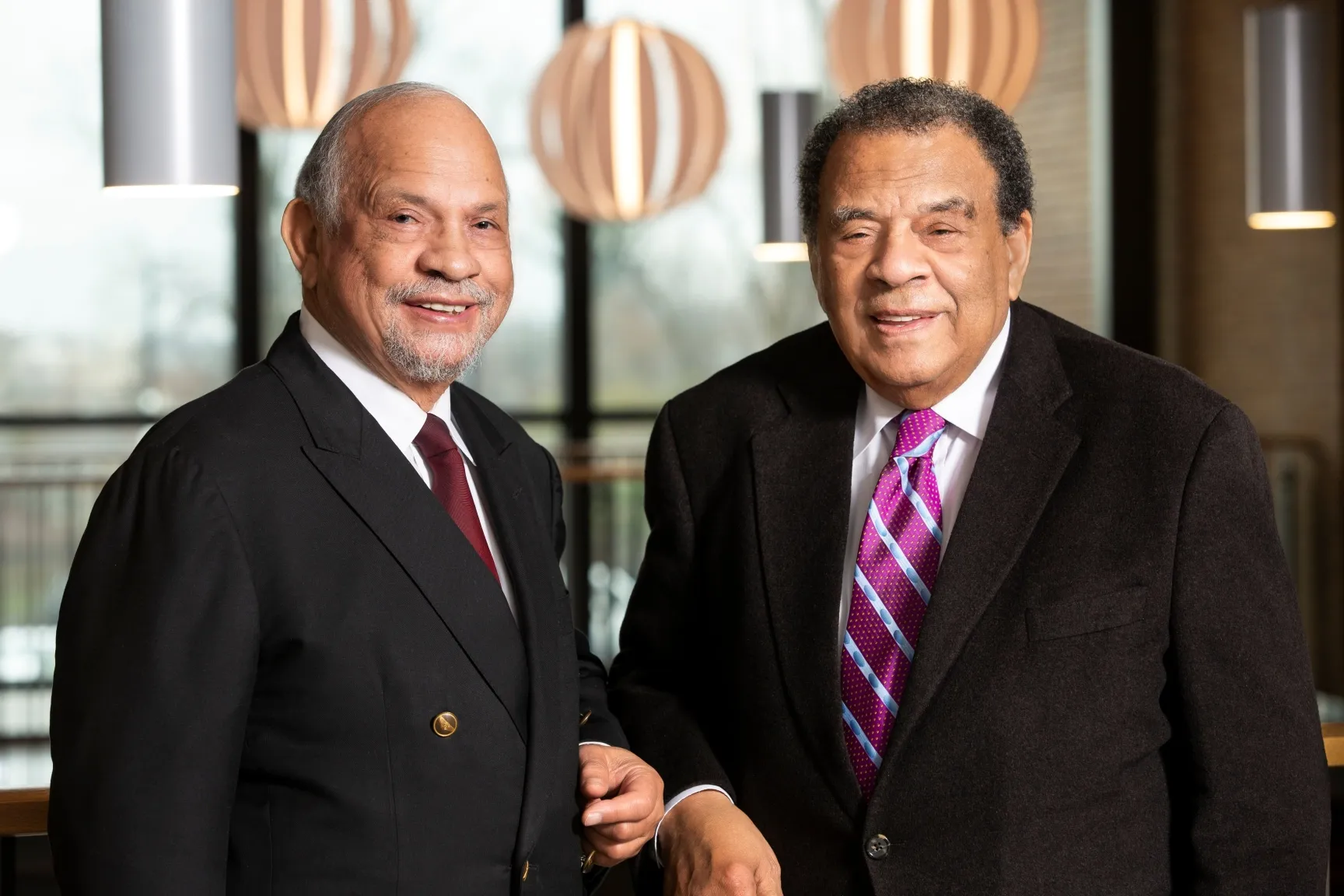
Brothers Andrew and Walter Young have been involved with the YMCA for most of their lives, beginning in their hometown of New Orleans. When they moved to Atlanta in the early 1960s, they quickly connected with the local YMCA community and became long-standing members and advocates for the Y’s mission.
Ambassador Andrew Young is a civil rights icon, former U.S. congressman, United Nations ambassador, and mayor of Atlanta. He was a close associate of Dr. Martin Luther King Jr. and a global voice for peace and justice. His brother, Dr. Walter Young, is a respected dentist, Morehouse professor, and longtime YMCA board member whose leadership has helped guide the Y’s growth in Southwest Atlanta.
“The Y was the center of our family life,” Ambassador Young shared.
In 2001, the Southwest Family YMCA was renamed the Andrew and Walter Young Family YMCA in honor of their decades of service and commitment to the community. Today, the branch remains a vital hub for youth empowerment, wellness, and civic leadership.
The Young family’s connection to the Y is more than historical — it’s personal and ongoing. Both brothers remain active members, and Dr. Walter Young is frequently spotted at the branch, getting in his daily workout and offering a living reminder of how deeply this Y is rooted in the community it serves.
Building on the Foundation
- Isaiah Hill: Discovered a piano at the Y, earned a scholarship to Berklee College of Music
- South Africa Partnership: Cross-cultural exchange and global leadership development for youth and staff
- Councilmember Michael Julian Bond: Son of Julian Bond, grew up in Atlanta YMCAs, serves on Y boards
- Boys and Young Men of Color (BYMOC): YMCA-led initiative supporting teens with mentorship and leadership development
The YMCA of Metro Atlanta continues to grow its impact, from local neighborhoods to global partnerships.
At the age of 13, Isaiah Hill discovered a piano tucked away in an upstairs room at the Andrew and Walter Young Family YMCA. With no formal training, he taught himself to play. His dedication earned him a scholarship to Berklee College of Music. Today, he uses his gift to inspire other young artists.
The YMCA of Metro Atlanta also maintains a long-standing partnership with the YMCA of South Africa, focused on youth leadership, cultural exchange, and global citizenship. For more than two decades, staff and teen leaders from Atlanta have traveled to South Africa to learn, serve, and build connections across continents. This reciprocal partnership gives young people a firsthand understanding of community development and social impact on a global scale.
Councilmember Michael Julian Bond, son of NAACP leader Julian Bond, grew up in YMCA programs at both Butler Street and the Southwest YMCAs. He now serves on the Atlanta City Council and continues his involvement with the YMCA through board leadership, reflecting a lifelong connection to Y values.
Boys and Young Men of Color is an initiative designed to support middle and high school students with mentorship, academic support, and leadership development. In partnership with Morehouse College, it equips young men from throughout metro Atlanta to lead with confidence, expand their futures, and thrive.
A Legacy That Inspires the Future
The YMCA of Metro Atlanta is proud to carry forward a legacy built by generations of Black leaders, families, and communities. Through early learning, teen development, workforce readiness, and wellness programs, we remain committed to ensuring all individuals, especially youth and families of color, have the access, support, and opportunity they need to thrive.
We do this not by looking back, but by moving forward, guided by a legacy of inclusion, empowerment, and hope.